

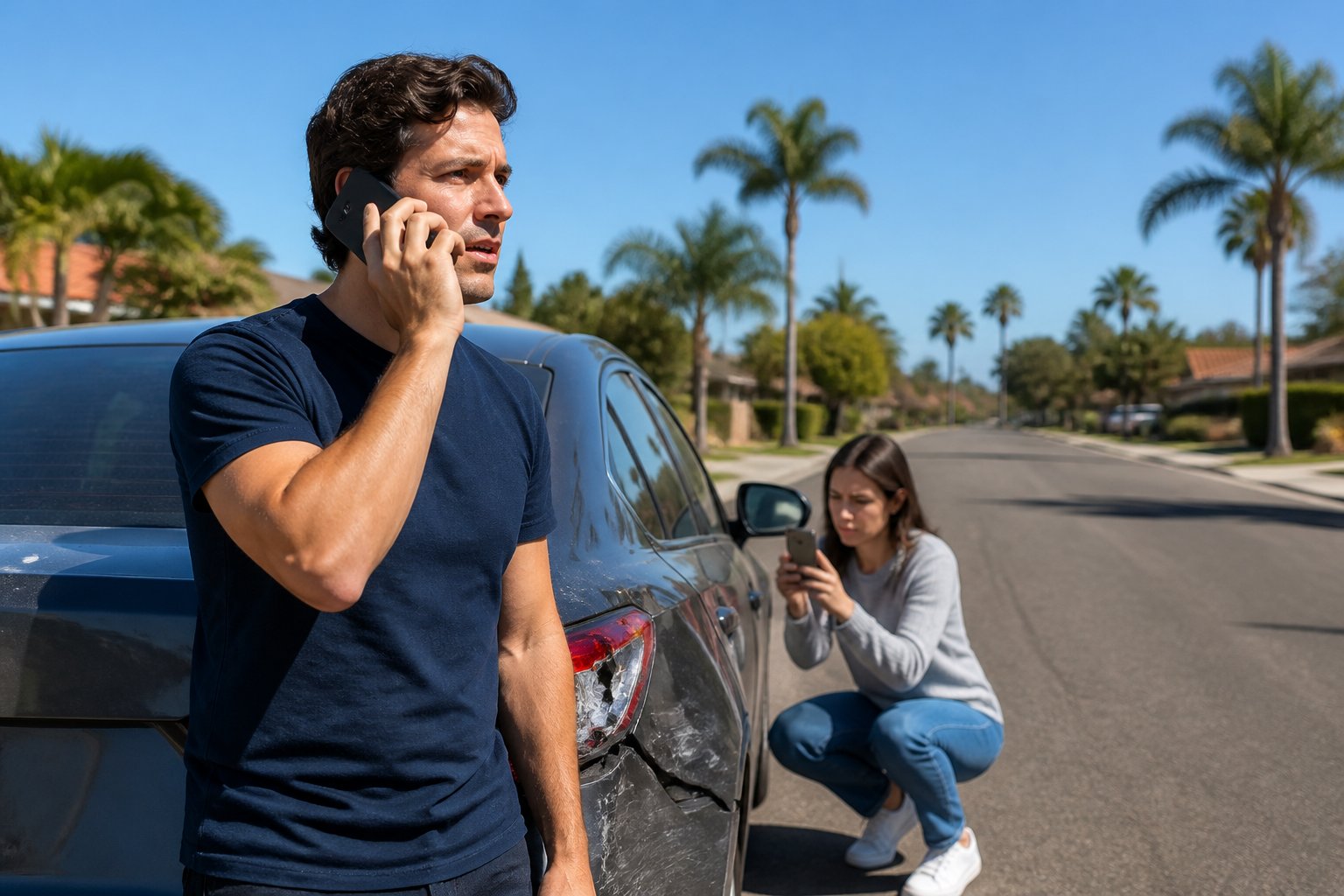


Right after an accident, your choices matter, a lot. What you do in those first minutes and days can impact your health, your wallet, and your legal options.
Small mistakes, like leaving before help arrives or talking too much to insurance folks, can really come back to haunt you. And honestly, it’s easy to slip up when you’re rattled.
Focus on your health first, document what you can, and don’t hand anyone a reason to doubt your claim. If you’re badly hurt or things get complicated, talking to a lawyer early can change the whole outcome.

Key Takeaways
- Call for help and get checked out ASAP.
- Save evidence before it’s gone.
- Watch what you say to insurers and online.
Immediate Priorities At The Scene

Those first few minutes after a crash are all about safety and getting the basics right. If you skip steps here, you might put yourself at risk and make your claim tougher to prove.
Leaving Before Calling For Help
If you leave too soon, especially when someone’s hurt or the damage is serious, you can get into real trouble. Stick around until the police or responders say you’re good to go.
Refusing Or Delaying Medical Evaluation
You might feel fine at first, but hidden injuries love to show up later. Getting checked right away protects you and creates a record tying your injuries to the crash.
Failing To Report The Incident
A police report is your official backup. If it’s needed, call the police and make sure everything’s documented.
Evidence Preservation Errors
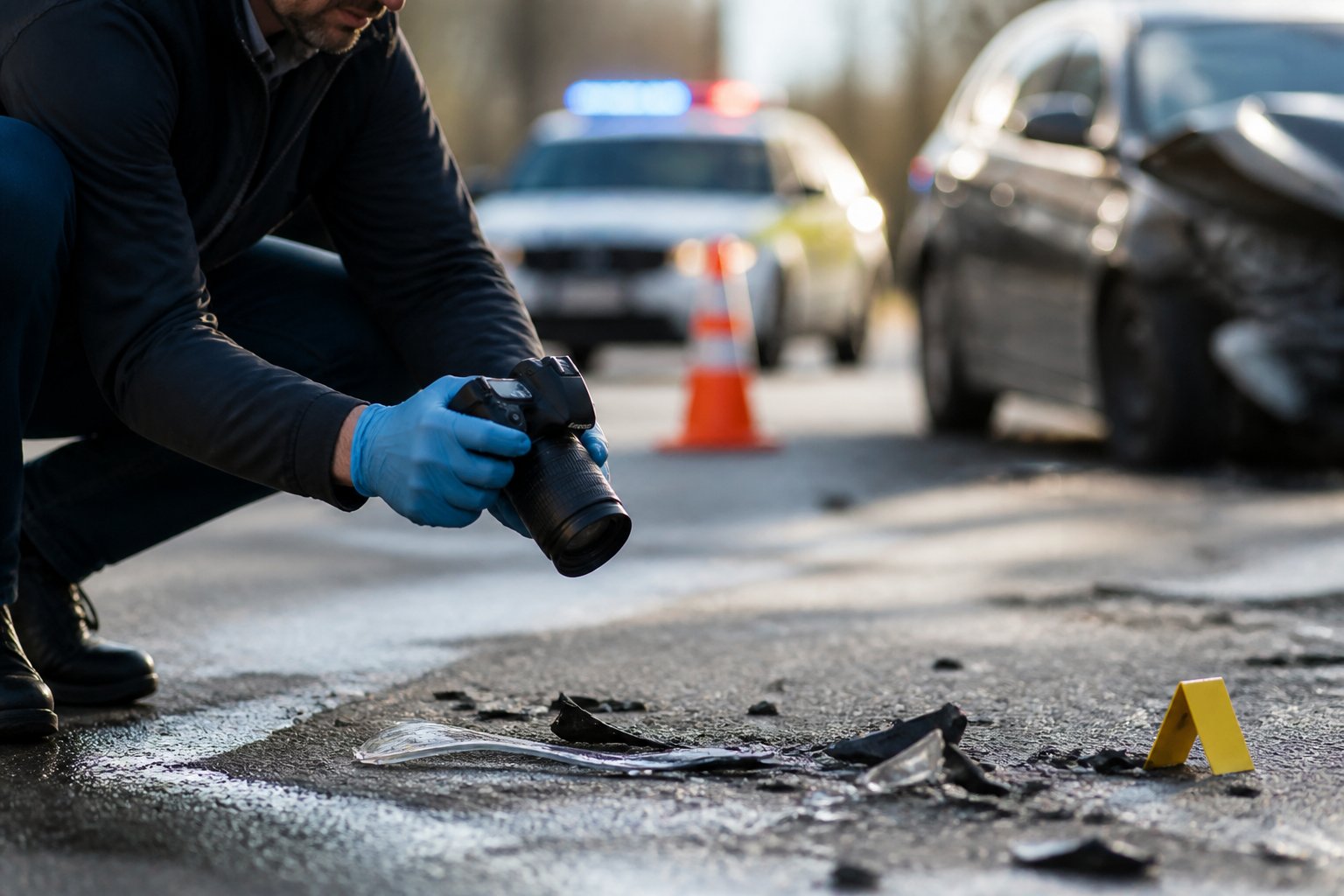
Evidence disappears fast after an accident. Photos, witness names, even broken stuff—these all help tell your side.
Not Taking Photos Or Video
The scene changes quickly. Snap pictures of vehicles, hazards, injuries, and the area before things get moved or cleaned up.
Overlooking Witness Information
Witnesses can help back up your story. Ask for their names and contact info before they wander off.
Throwing Away Damaged Property
Damaged items, like helmets or torn clothes, prove how bad it was. Hang on to them until your case is settled.
Waiting Too Long To Document Injuries
Bruises and pain sometimes get worse later. Jot down symptoms as soon as they show up and note how they mess with your daily life.
Communication Missteps That Can Hurt A Claim

What you say after an accident can be just as important as what you do. Keep your statements short and careful—guessing or apologizing can really backfire.
Admitting Fault Too Soon
You don’t need to decide who’s at fault on the spot. Even a simple “I’m sorry” might get twisted, so stick to facts.
Giving A Recorded Statement Without Preparation
Insurance adjusters love to get your statement early. If you’re not ready, you might leave out details or say something that doesn’t match your medical records later.
Accepting The First Insurance Offer
Insurance companies often throw out a quick offer before you know the full cost. If you accept too soon, you can’t go back for more.
Posting About The Event On Social Media
Social media posts can be used against you. Even a harmless photo or comment might get spun the wrong way.
Medical And Recovery Decisions With Legal Consequences
Your recovery choices impact both your health and your claim. Missed appointments or ignored treatment make it easier for insurers to argue you’re not really hurt.
Missing Follow Up Appointments
Showing up for follow-ups proves you’re still dealing with injuries. If you skip them, it can look like you healed quickly or weren’t hurt much.
Ignoring Treatment Recommendations
If your doctor says you need therapy or tests, take it seriously. Skipping out can make your records look incomplete and slow your recovery.
Downplaying Pain Or Symptoms
Trying to act tough doesn’t help. Be honest with your doctor—if you leave out details, you might get bad care and weaker records.
Financial And Administrative Pitfalls
Bills pile up fast after an accident, and paperwork matters more than most people think. Good records and quick action can save you headaches and help you get what you’re owed.
Not Tracking Bills And Lost Income
Keep every bill, receipt, and proof of missed work. You’ll need these to show what you actually lost.
Signing Documents Without Review
Some forms can take away your rights before you realize it. Read everything, and don’t sign if you’re not sure what it means.
Delaying Action Until Deadlines Become A Problem
Time limits can cut off your claim. The longer you wait, the harder it is to find evidence and get reliable witness accounts.
When Legal Guidance Becomes Important
Some accidents are straightforward, but others get messy fast. If there’s a lot at stake, getting a lawyer early helps protect evidence and gives you more leverage.
Cases Involving Severe Or Life Changing Injuries
If you can’t work or take care of yourself after the accident, you’ll need a careful review of damages. These cases rely on strong medical records and future care estimates.
Collisions With Commercial Vehicles Or Rideshare Drivers
Truck and rideshare crashes usually involve big insurance companies and quick investigations. A firm like Tavakoli & Ivosevic, LLP Injury Attorneys can help level the playing field.
Wrongful Death And High Stakes Liability Disputes
Losing a loved one or fighting over fault makes things much more complicated. You’ll need fast action, solid evidence, and a plan to show the true value of your loss.
Frequently Asked Questions
What should you avoid saying or admitting at the scene of an accident?
Don’t say the crash was your fault or apologize in a way that sounds like you’re to blame. Stick to the facts, swap info, and let the investigation do its job.
What steps should you take immediately after an accident to protect your health and legal rights?
Move somewhere safe, call for help, get checked by a doctor, and report the crash. Then gather photos, witness info, and any other proof while you can.
When should you seek medical care after an accident, even if you feel fine?
Get checked out as soon as you can. Sometimes pain or injuries show up hours or days later, and early care creates a record linking your injuries to the accident.
What evidence should you collect at the scene, and what common mistakes lead to missing key details?
Take photos and video, get witness names and license plates, and write down any visible injuries. People often forget to ask witnesses for info or wait too long to document everything.
How can posting on social media after an accident harm your claim or case?
Posts can be twisted to make your injuries look minor or your story seem shaky. Even simple photos or comments might get used against you if someone wants to poke holes in your claim.
What are the most common causes of road accidents, and how can drivers reduce their risk?
Speeding, distracted driving, and following too closely top the list of causes. Failing to yield and driving while impaired also play a big role.
If you want to lower your risk, slow down. Stay focused on the road, and try not to tailgate.
Give yourself extra space. Defensive driving really does make a difference—maybe more than we like to admit.