


The SR-118—most people call it the Ronald Reagan Freeway—runs right through some of Southern California’s busiest areas. It connects the San Fernando Valley to Ventura County, winding through places like Chatsworth, Simi Valley, and Moorpark.
On any given day, you’ll find a heavy mix of commuters, commercial trucks, and rideshare vehicles all moving at freeway speeds. The road shifts quickly from open highway to tight urban interchanges, and honestly, it can feel a bit chaotic.
With all that high traffic, constant merges, and driver behaviors like speeding or just plain not paying attention, the 118 ends up being one of the more crash-prone freeways around here.
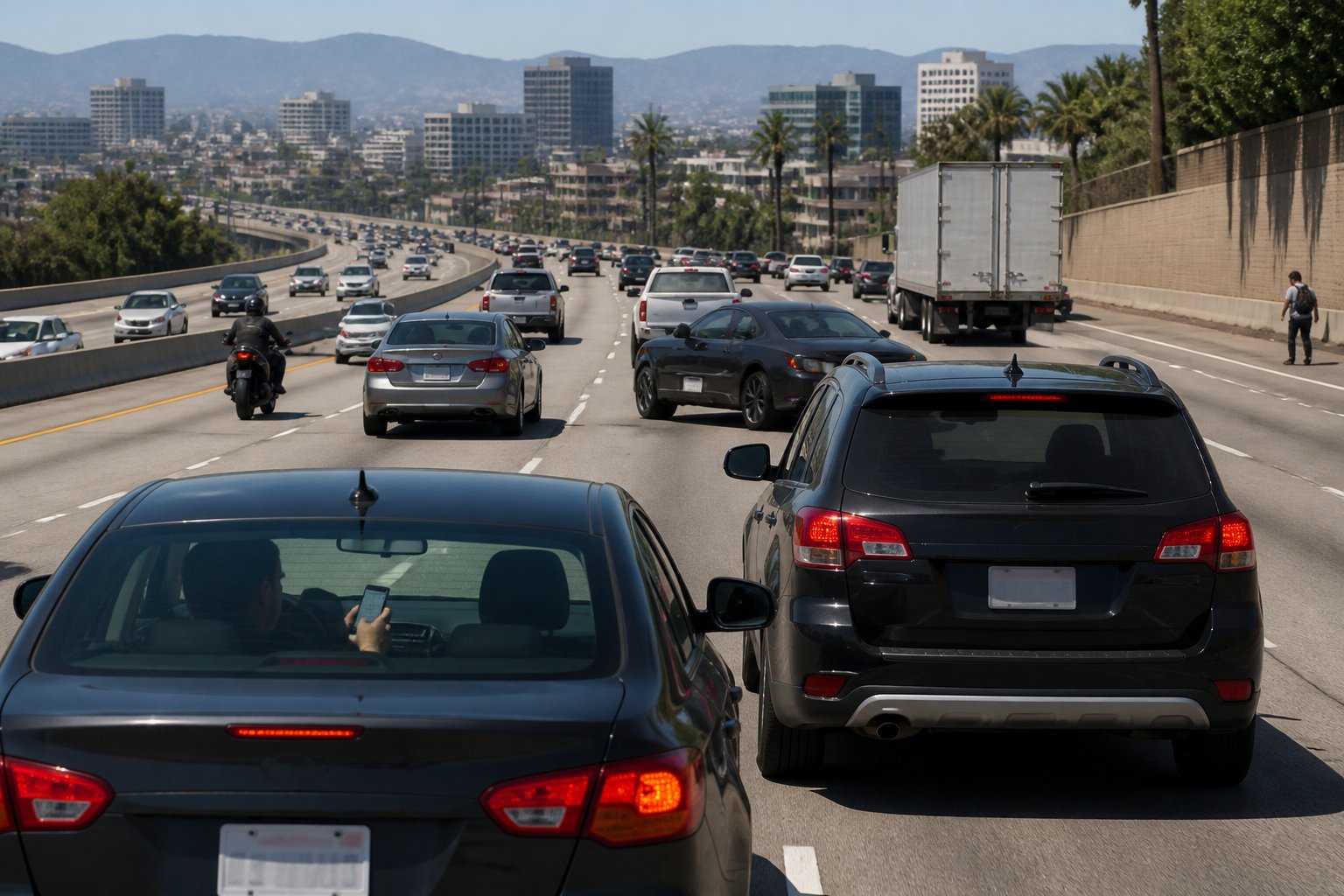
Car accidents on the 118 Freeway in California range from those annoying fender-benders during the morning rush to serious, multi-car pileups that change lives. If you check real-time data from CHP and traffic apps, you’ll see several crashes and hazards pop up on this corridor each day.
If you know what causes these wrecks, you can drive smarter—and maybe understand what happened if you ever get caught up in one.
Key Takeaways
Speeding, distracted driving, and unsafe lane changes cause most collisions on the 118 Freeway.
Certain spots, like the merge near Tampa Ave and that tricky Rocky Peak Fire Rd transition, see crashes again and again.
High-speed freeway crashes often lead to serious injuries, so figuring out what happened really matters for any legal claim.
The Most Common Crash Triggers On SR-118
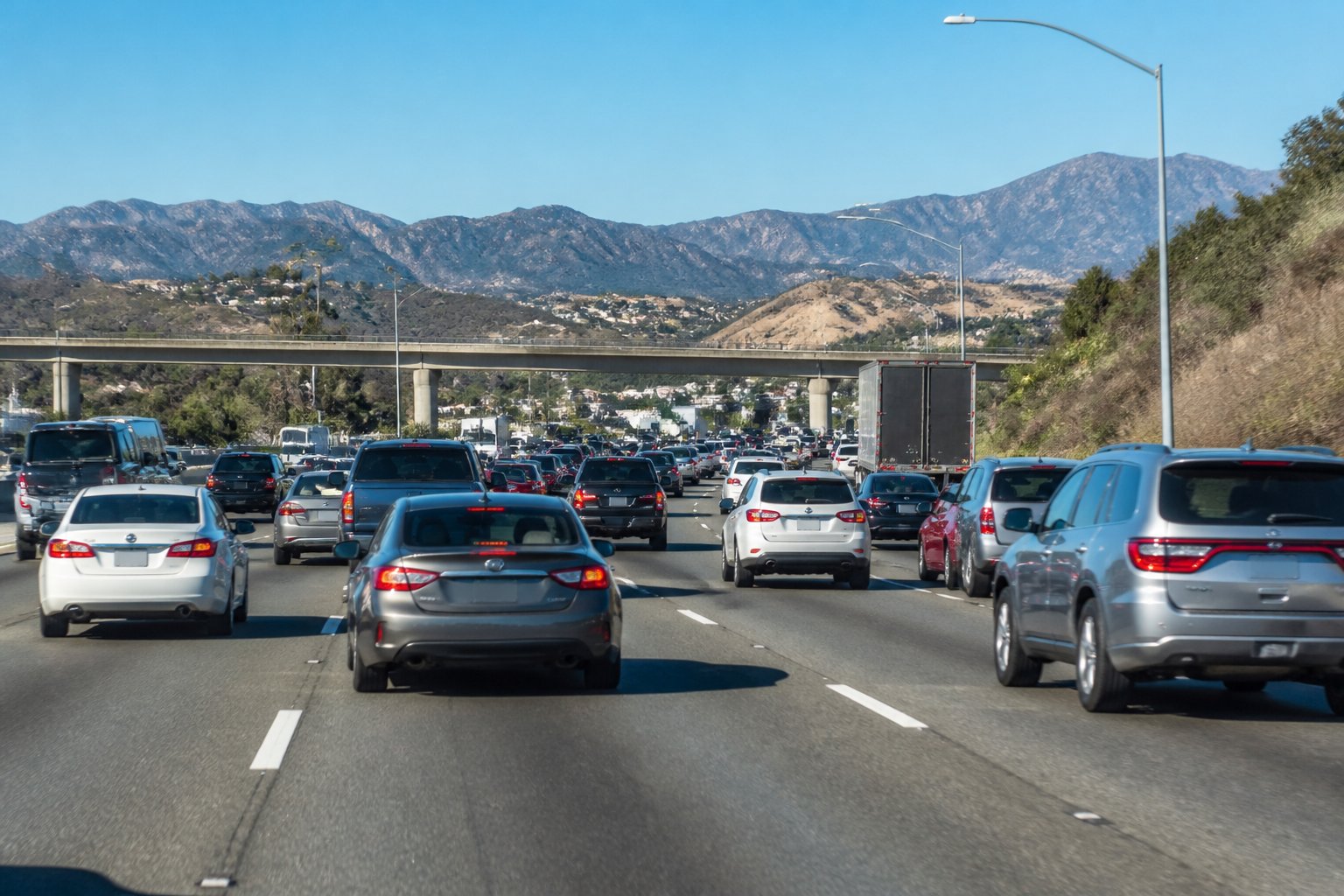
Most of the time, drivers cause car accidents on SR-118. The National Highway Traffic Safety Administration keeps pointing to speeding, distraction, and aggressive habits as the main culprits in freeway wrecks.
The 118? It definitely follows those trends.
Speeding And Sudden Slowdowns
The SR-118 has long stretches where cars cruise at 65 or 70 mph. Then, almost without warning, you hit a pinch point near an interchange or on-ramp, and traffic drops to a crawl.
When drivers don’t slow down in time, rear-end and multi-car crashes happen fast. During rush hour, the difference between flying along and suddenly stopping is a recipe for trouble.
Unsafe Lane Changes In Dense Traffic
With all those lanes packed together, the 118 practically invites side-swipes and lane-change crashes. Some drivers dart across lanes without signaling or checking if there’s space, putting everyone in danger.
You’ll see this a lot in the Chatsworth and Simi Valley areas, where ramps squeeze traffic tight.
Following Too Closely During Commutes
Tailgating is a classic cause of rear-end crashes, and the 118’s commute traffic just makes it worse. At freeway speeds, if you’re too close, even a small slowdown can set off a chain reaction.
Morning and evening rush hours? This pattern repeats over and over.
Distracted Or Inattentive Driving
Distracted driving is still a top reason for serious and even fatal crashes all over California, and the 118’s no different. Drivers glance at their phones, mess with navigation, or just zone out.
Lose focus for a couple seconds at freeway speed, and you might not have time to avoid a crash.
Roadway Conditions And Incident Hotspots
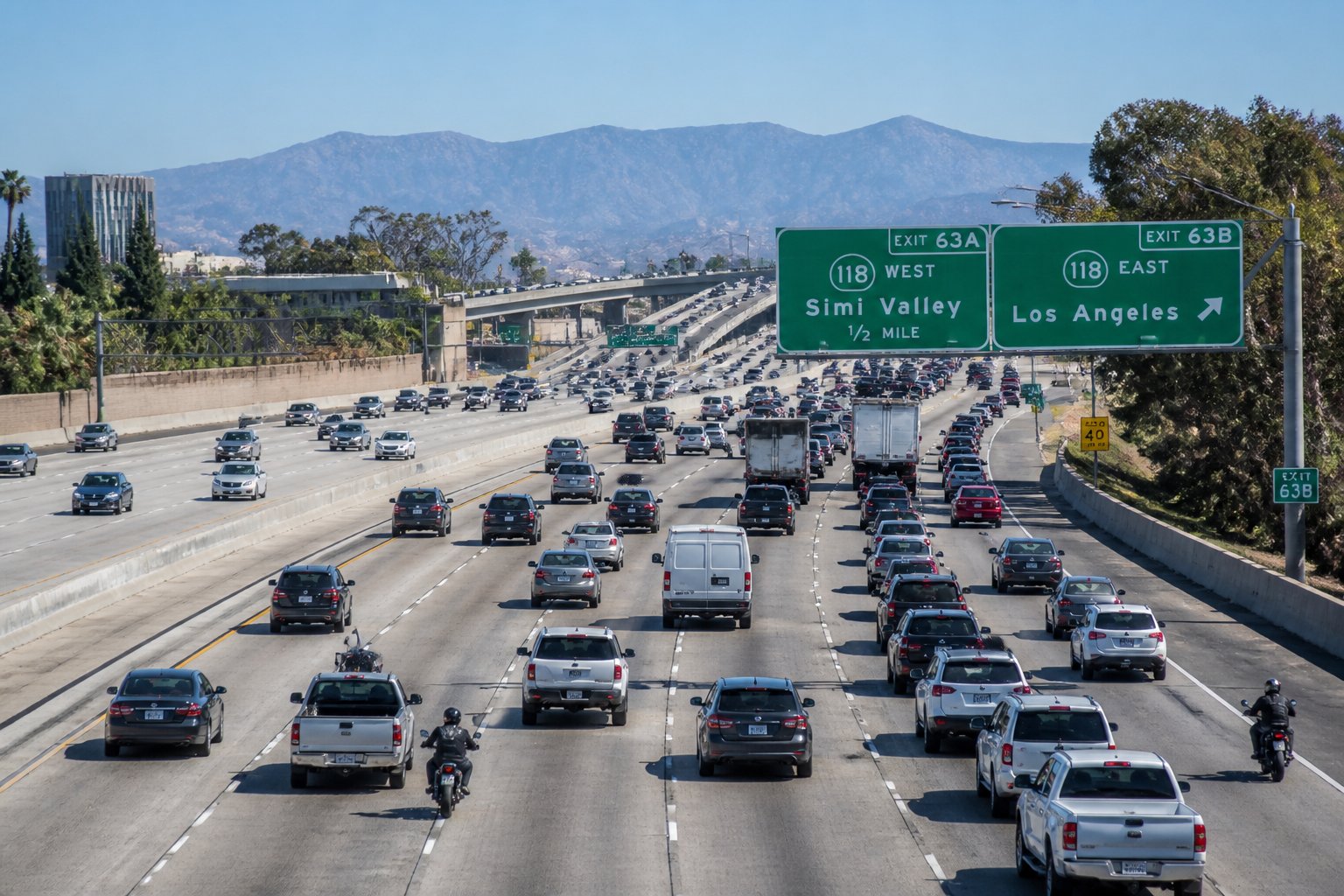
Some crash spots on the SR-118 keep popping up in CHP reports and live traffic feeds, no matter how careful you drive. Certain stretches of the freeway have quirks that make them riskier, even if everyone’s driving perfectly.
Debris And Other Traffic Hazards Reported By CHP
You’ll often find road debris, stalled cars, or even random cargo blocking lanes in the CHP logs for the 118. Just tracking incidents for a day, you’ll see several hazard reports mixed in with collisions.
Debris can blow out your tire or force you to swerve, sometimes causing new crashes with other cars.
Merge And Ramp Pressure Near Tampa Ave
Westbound near Tampa Ave? That spot is a headache. Cars have to squeeze into fast traffic with barely any space, and if someone misjudges a gap, you get side-swipes or rear-enders.
The ramps here just don’t give you much room, and a lot of drivers don’t realize how little margin they have.
Rocky Peak Fire Rd And Transition-Zone Risks
The area around Rocky Peak Fire Rd is tricky. The freeway shifts from city to open hills and then back again.
Here, you get a mix of fast traffic and slower cars merging or exiting, which leads to crashes—there was even a fatal one not long ago near Rocky Peak Road. The curves and changes in elevation just add to the challenge.
Moorpark And West Valley Congestion Patterns
In Moorpark and the West Valley, the 118 handles tons of through-traffic feeding into other busy roads. Congestion here means stop-and-go driving, which raises the risk of rear-end crashes.
If you’re new to the area, you might not expect how suddenly traffic can stop—and that catches a lot of people off guard.
Why 118 Freeway Crashes Often Lead To Serious Injuries
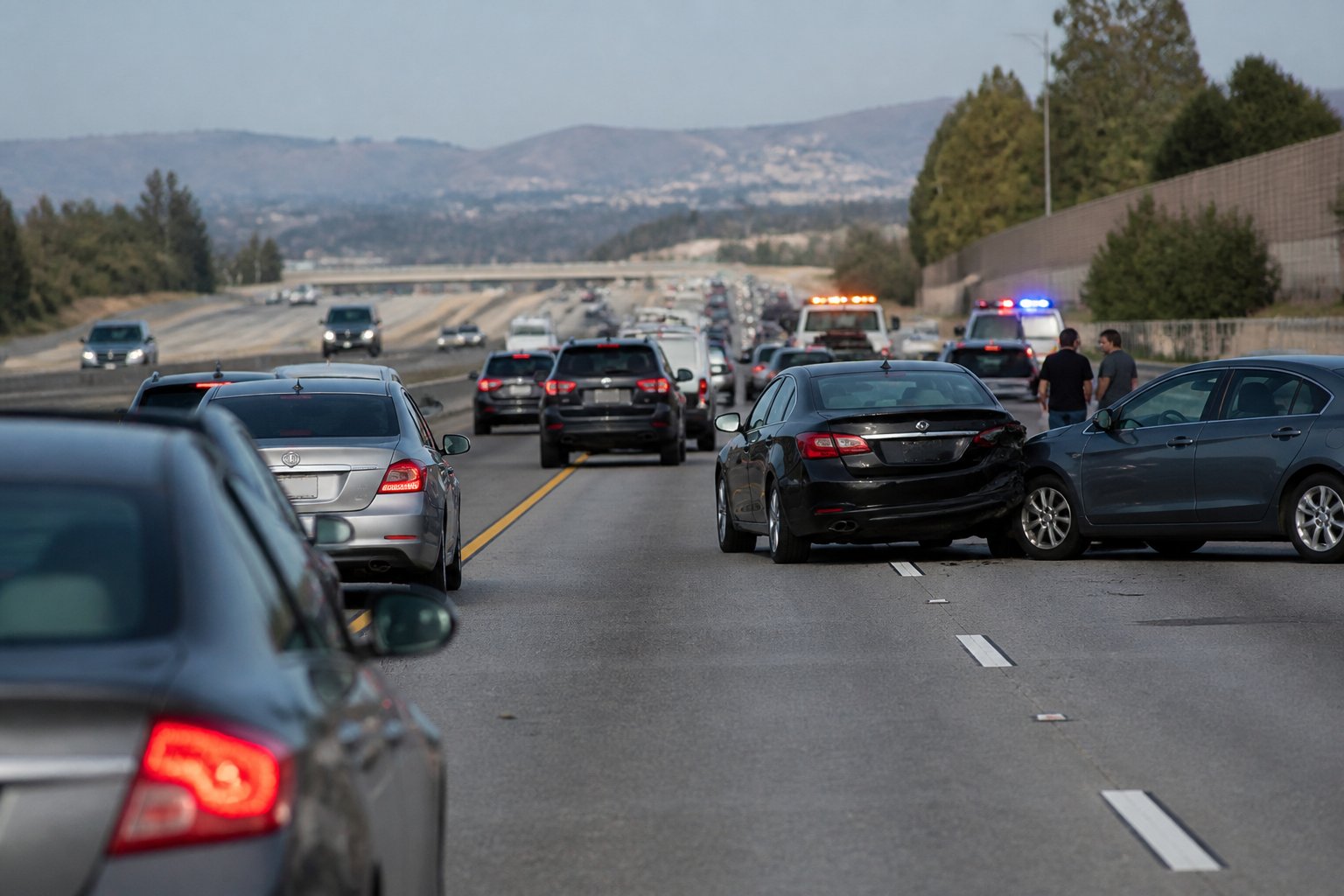
Freeway crashes just hit harder than anything you’d see on a city street. On the 118, with everyone packed together and moving fast, serious injuries happen all the time—crash reports show it year after year.
High-Speed Impact Types
At 65 mph or more, the force of a crash jumps way up compared to a slow-speed bump. Rear-end crashes at freeway speed are especially rough, since people in the car that gets hit barely have any warning.
Head injuries, spinal injuries, and broken bones come up again and again in the data.
Multi-Vehicle Chain Reactions
One crash on a crowded freeway can spark a whole chain of wrecks in seconds. If one car brakes or spins out, the drivers behind might not have time to react before they slam into someone else.
These pileups can leave lots of people hurt in a single incident.
Truck And Larger-Vehicle Involvement
You’ll see plenty of commercial trucks on the 118, and when they’re involved in a crash, the risks go way up. Trucks are so much bigger and heavier than regular cars, so the smaller vehicles usually take the worst of it.
Truck accident cases often end up being some of the toughest personal injury cases in California.
What Cause Analysis Can Mean After A Collision
If you’re in a crash on the 118, figuring out exactly what caused it can make a big difference for your compensation. Was it speed, distraction, debris, or another driver’s mistake?
Lawyers like Tavakoli & Ivosevic, LLP dig into the evidence to prove what happened, which is key for getting full compensation after a serious injury.
Frequently Asked Questions
What are the leading contributing factors behind collisions on the 118 Freeway?
Speeding, distracted driving, unsafe lane changes, and following too closely are the main reasons for crashes on SR-118. Road hazards like debris and tricky merge zones also show up a lot in CHP reports for this freeway.
How does speeding affect crash frequency and severity on the 118?
Speeding cuts down the time you have to react, especially near interchanges and on-ramps where things can slow down fast. At higher speeds, crashes hit much harder and the chance of a fatality goes up.
How often does distracted driving play a role in freeway accidents in this corridor?
Distracted driving is one of the top causes of serious crashes in California, and the 118 sees its share. Even a few seconds of inattention at freeway speed can take away your chance to avoid a wreck.
What role do lane changes and merging behavior play in crashes on the 118?
Unsafe lane changes and bad merging habits cause lots of side-swipes and angle crashes on SR-118, especially near Tampa Ave and in Chatsworth. Drivers who don’t signal, skip checking blind spots, or try to squeeze into tiny gaps put everyone at risk.
How do weather conditions like rain, fog, and glare influence accident risk on the 118?
Rain cuts your tire traction and makes it take longer to stop. Morning glare in the San Fernando and Simi Valley sections can blind you for a moment, and fog near Moorpark can make normal freeway speeds genuinely dangerous.
What are the most common types of crashes on freeways, such as rear-end or sideswipe collisions?
Rear-end collisions happen more than any other crash type on freeways like the 118. People tailgate, or they don’t expect sudden slowdowns, and that’s usually what causes it.
Side-swipe crashes aren’t far behind. Drivers make risky lane changes, especially when traffic is dense and moving fast.