


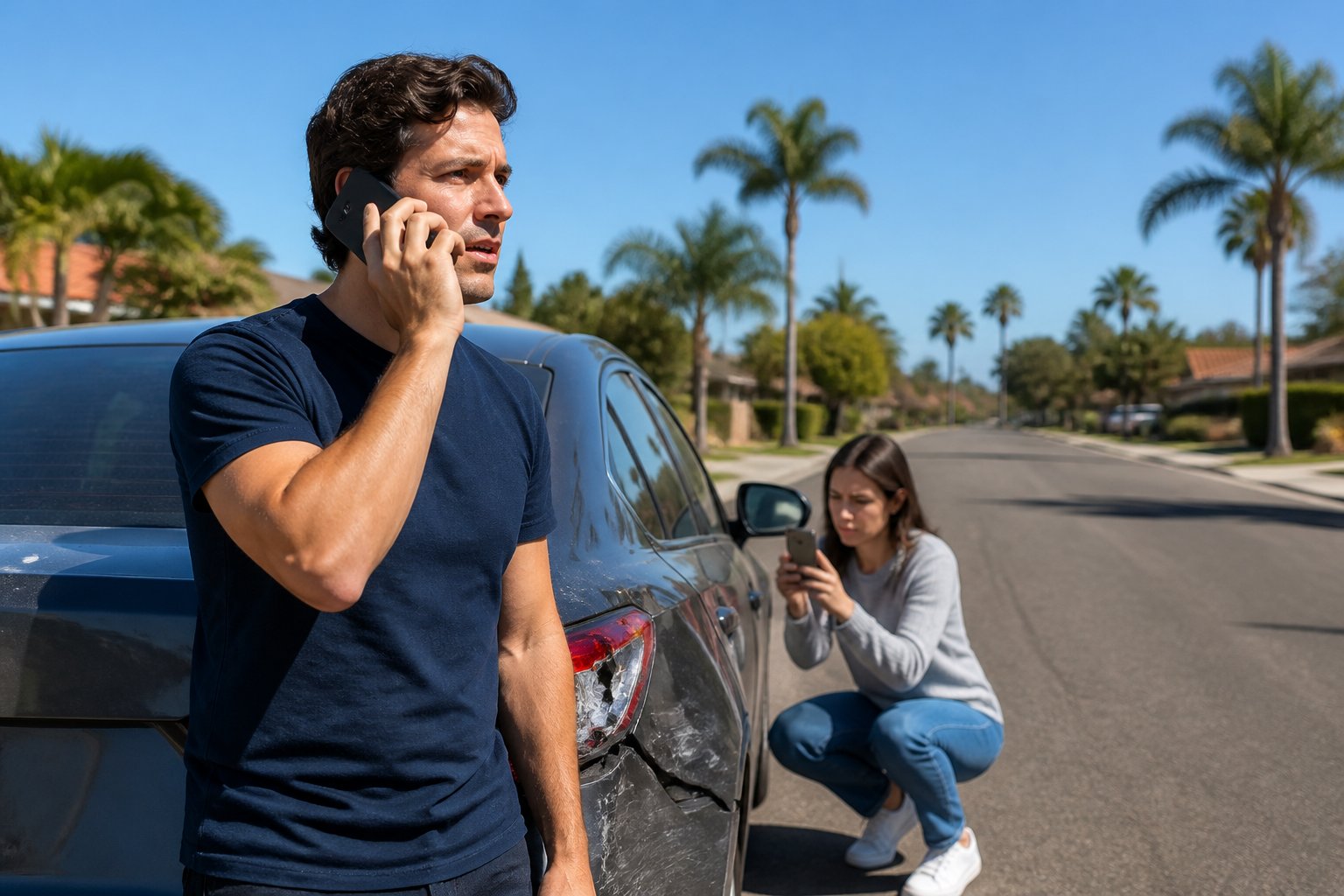

Getting hit by a driver without insurance is just about one of the most frustrating things that can happen on a Simi Valley road. You did everything right, but now you’re stuck dealing with injuries, car repairs, and an at-fault driver who can’t pay a dime. Here’s the thing: California law actually gives you a few ways to recover compensation, even if the other driver has nothing. What you do in the first hours after a crash really shapes what you might end up with.
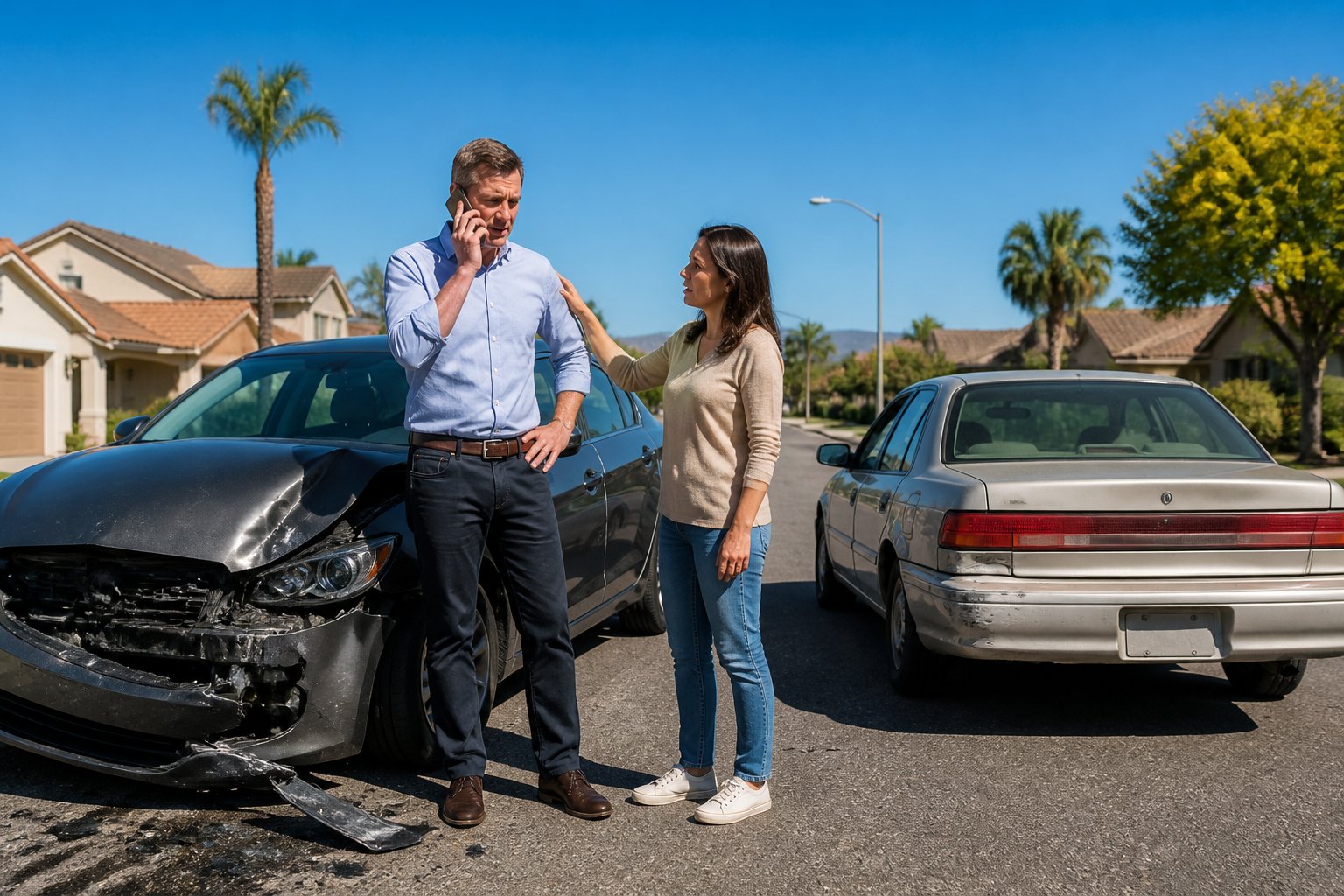
Simi Valley gets a steady flow of traffic on its streets and freeways, so running into an uninsured driver isn’t as rare as you might hope. California has one of the highest rates of uninsured drivers in the country. Your own insurance and how you handle the aftermath both matter a lot. An uninsured driver accident doesn’t have to mean the end of your recovery options, but you’ll need to act fast and think strategically.
Key Takeaways
-
Calling 911 and documenting the scene right away protects your ability to file a claim later.
-
Your own uninsured motorist coverage is usually your best shot at getting paid when the at-fault driver can’t.
-
If you build strong medical and fault records early, you’ll have way more leverage with your insurer or in court.
Protect Your Claim In The First Hours After The Crash
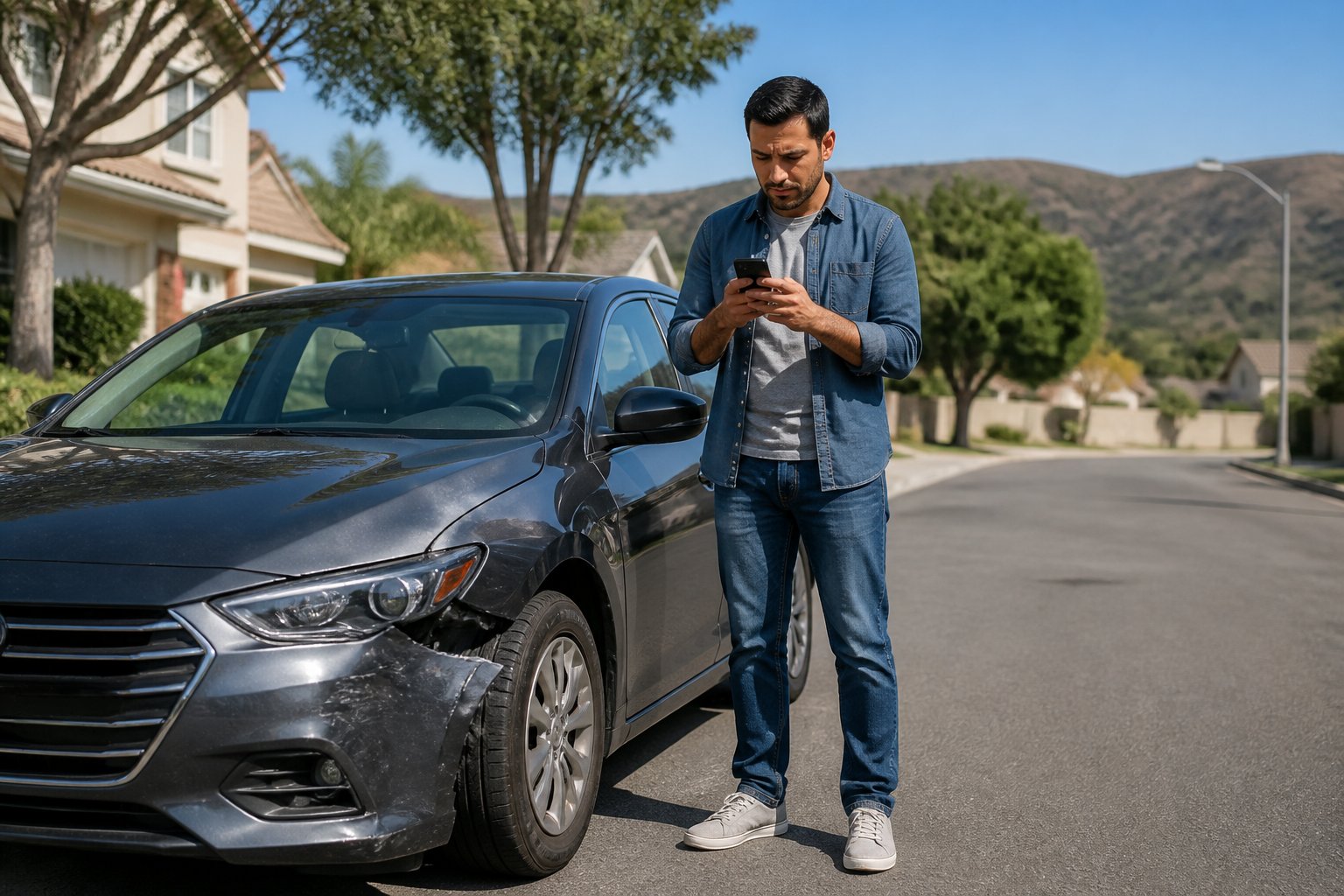
What you do right after an uninsured driver hits you can either help or hurt your insurance claim. Try to stay calm. Make an official record and grab as much info about the other driver as you can.
Call 911, Get Medical Care, And Create An Official Record
Call 911 from the scene, even if the crash seems minor. You’ll want a police report—it’s one of the most important documents you can have with uninsured drivers because it officially proves the accident happened and records the other party’s info.
Ask the officer for the report number and their name before they leave. Get medical attention as soon as possible, even if you feel okay. Some injuries don’t show up right away. Having a medical record from the crash date ties your injuries directly to the accident.
Document The Scene, Witnesses, And The Other Driver’s Information
Take photos of the damage, the road, skid marks, traffic signs, and any visible injuries. Get the other driver’s name, license plate, driver’s license number, and whatever insurance info they claim to have.
Collect names and contact info from any witnesses. Their accounts can really help with fault later. Don’t just trust the other driver to be honest, and don’t admit fault or apologize at the scene.
What To Do In A Hit-And-Run If The Driver Leaves
If the driver flees, California treats it a lot like an uninsured driver accident. Jot down anything you remember about the car—color, make, model, even part of the plate.
Report the hit-and-run to police right away and tell your insurer as soon as you can. Quick reporting helps your claim and keeps crucial evidence from disappearing.
Use Your Own Coverage When The At-Fault Driver Cannot Pay

If the driver who hit you doesn’t have insurance, your own policy usually becomes your main recovery tool. California law makes insurers offer uninsured motorist and underinsured motorist coverage. What you can recover depends directly on your policy.
How Uninsured Motorist Coverage Works In California
Uninsured motorist coverage, or UM, pays for your injuries and some losses if the at-fault driver has no liability insurance. Insurers have to offer UM coverage in California, though you can waive it in writing.
If you have it, your UM policy steps in where the other driver’s insurance would’ve paid. You file a UM claim with your own insurer, and you’ll need to prove fault and show your losses—just like any other claim.
Your insurer isn’t automatically on your side. Sometimes they’ll push back on the value of your claim.
When Underinsured Motorist Coverage May Fill The Gap
Underinsured motorist coverage (UIM) comes into play when the other driver has some insurance, but not enough. Say the other driver only carried minimum coverage and your injuries are serious—UIM can bridge the gap between what their policy pays and what you actually need.
Not everyone carries UIM, so check your policy.
What Your Auto Insurance Policy And Policy Limits Can Affect
Your policy limits set the max your insurer will pay, no matter how bad your injuries are. If you bought lower limits, you might end up with far less than your real losses.
It’s a good idea to review your policy with an attorney before you settle any UM claim. That way, you don’t accidentally take less than you deserve.
Build Proof Of Fault, Injury, And Losses Early
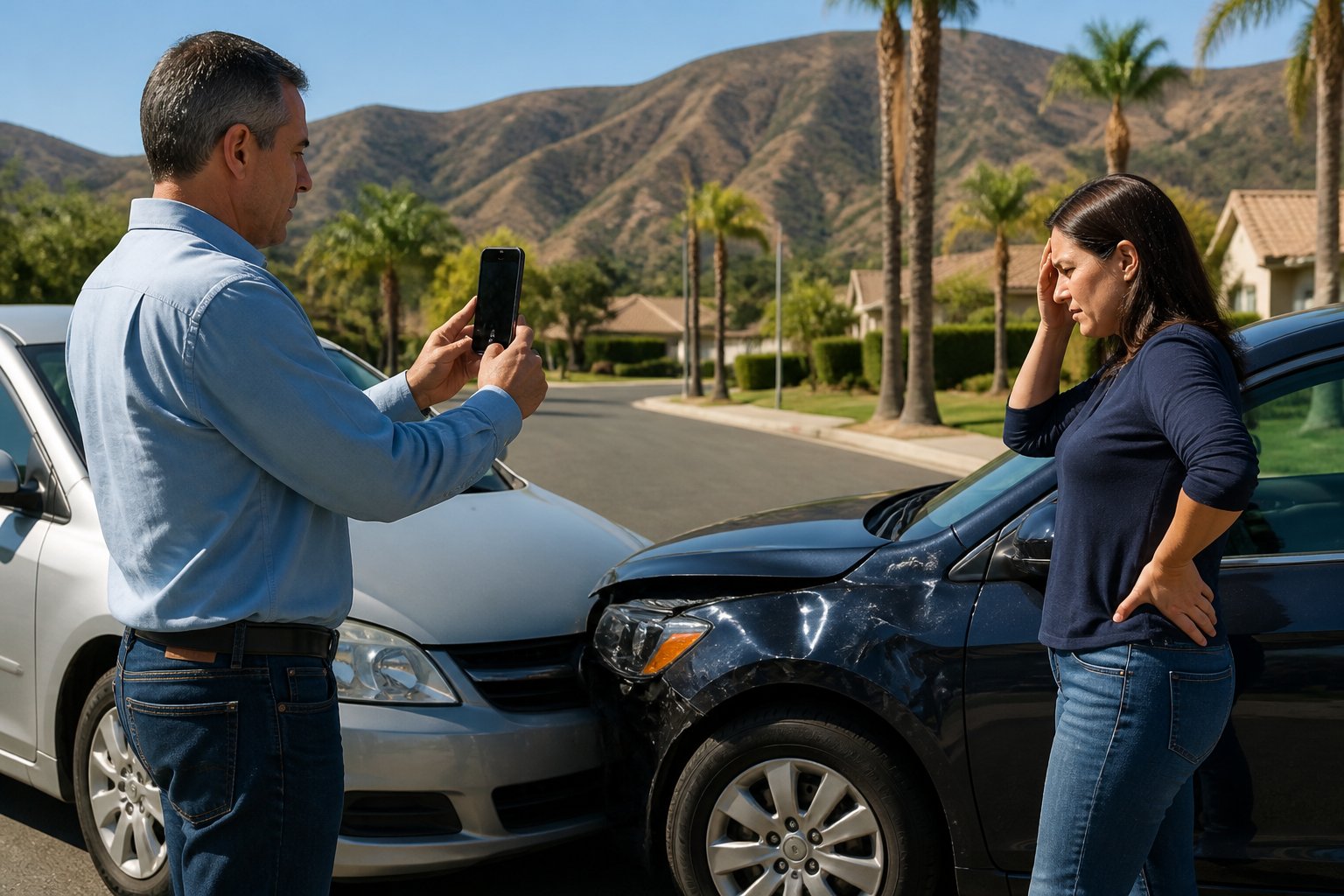
Gathering strong evidence early puts you in a better spot, whether you’re dealing with your insurer or considering a lawsuit. California car accident attorneys often see claims settle for less just because the documentation is weak.
Why Your Own Insurer May Still Dispute Liability Or Damages
Even when you file a UM claim with your own insurance, don’t assume they’ll just believe everything you say. Sometimes they argue the other driver wasn’t actually uninsured, or they question how bad your injuries are, or claim your losses are too high.
If you document your side of the story well from the start, you’ll have something solid to push back with.
Records That Strengthen Medical, Wage Loss, And Pain Claims
Hang on to every medical record, treatment receipt, prescription, and follow-up summary. If you missed work because of your injuries, collect pay stubs and a note from your employer showing lost wages.
Keeping a journal about your pain, limitations, and how the injuries mess with your daily life can really help with pain and suffering claims—medical records alone don’t always tell the whole story.
When A Personal Injury Lawsuit Or Third-Party Case May Still Matter
You can file a personal injury lawsuit against an uninsured driver in California, but actually collecting money is tough if the driver has no assets. Still, sometimes uninsured drivers do own property or have collectible assets.
A California car accident lawyer can look at your situation and figure out if suing directly makes sense for you, or if you’re better off just pushing your UM claim.
Common California Issues That Can Change The Outcome
State Insurance Minimums And Why They Are Often Not Enough
California bumped up its minimum liability insurance requirements in 2025, but even the new minimums don’t always cover cases with serious injuries, hospital stays, or long-term care. Drivers with just the minimum can’t always pay for big medical bills.
That’s why carrying UM and UIM coverage with decent limits is so important.
Deadlines, Notice Requirements, And Policy-Based Rules
California gives you two years to file a personal injury claim, but your insurance policy might have its own shorter notice deadlines for UM claims. If you miss a policy deadline, you could lose your right to file—even if you’re still within the legal window.
Some policies also make you report a hit-and-run within 24 hours or cooperate with an investigation before they’ll pay. Read your policy and act quickly.
When Legal Help Becomes Important In A Serious Injury Case
If you’ve got serious injuries, or your insurer is fighting your claim, or you just don’t know how to value your losses, getting a lawyer early can save you a lot of trouble. A personal injury attorney who knows California’s UM/UIM rules can spot coverage you didn’t know you had, deal with the insurance adjuster, and push back if you get a lowball offer.
Firms like Tavakoli & Ivosevic, LLP build cases as if they’re going to trial, which tends to get insurers to take you more seriously. That can really change the outcome.
Frequently Asked Questions
What steps should you take immediately after a crash with an uninsured driver in California?
Call 911, stay at the scene, and document everything before you leave. Take photos of the vehicles, the road, the other driver’s info, and grab witness contact details.
Get medical care quickly and let your own insurer know as soon as possible.
How can you confirm whether the other driver is uninsured and document it properly?
Ask the other driver for their insurance card and write down every detail—even if it turns out fake. The police report usually notes whether they showed proof of insurance at the scene.
Your insurer can also check when you file your UM claim.
Will your own auto insurance cover your injuries and vehicle damage if the other driver has no insurance?
Your UM coverage can pay for your injuries and related losses if you have it. Collision coverage, if you bought it, covers vehicle damage even if the other driver isn’t insured, though you’ll probably have a deductible.
Medical payments coverage, if it’s on your policy, can help with immediate treatment costs.
How does uninsured motorist coverage work, and what deadlines apply for filing a claim?
You file a UM claim with your insurer, prove the other driver was at fault and uninsured, and document your losses. California gives you two years to file a lawsuit, but your policy may require faster notice.
Always check your policy’s reporting requirements and act fast so you don’t miss a deadline.
Are uninsured drivers automatically considered at fault, or does fault still need to be proven?
You still have to prove fault, even if the other driver has no insurance. California uses a comparative fault system, so if you’re partly at fault, your recovery can be reduced.
You’ll need evidence like a police report, witness statements, and physical documentation to support your version of events.
Is it worth suing an uninsured driver, and what are the realistic options for collecting damages?
You can sue an uninsured driver, sure, but actually collecting money from them is a whole other story. If the driver doesn’t have any assets, that court judgment you win might not mean much in the real world.
Usually, going through your own UM coverage gets you compensated faster. It’s honestly the more practical option for most people.
Still, if you’re unsure, talk to an attorney. They can check if the at-fault driver owns anything worth going after and help you decide if a lawsuit is even worth your time.