



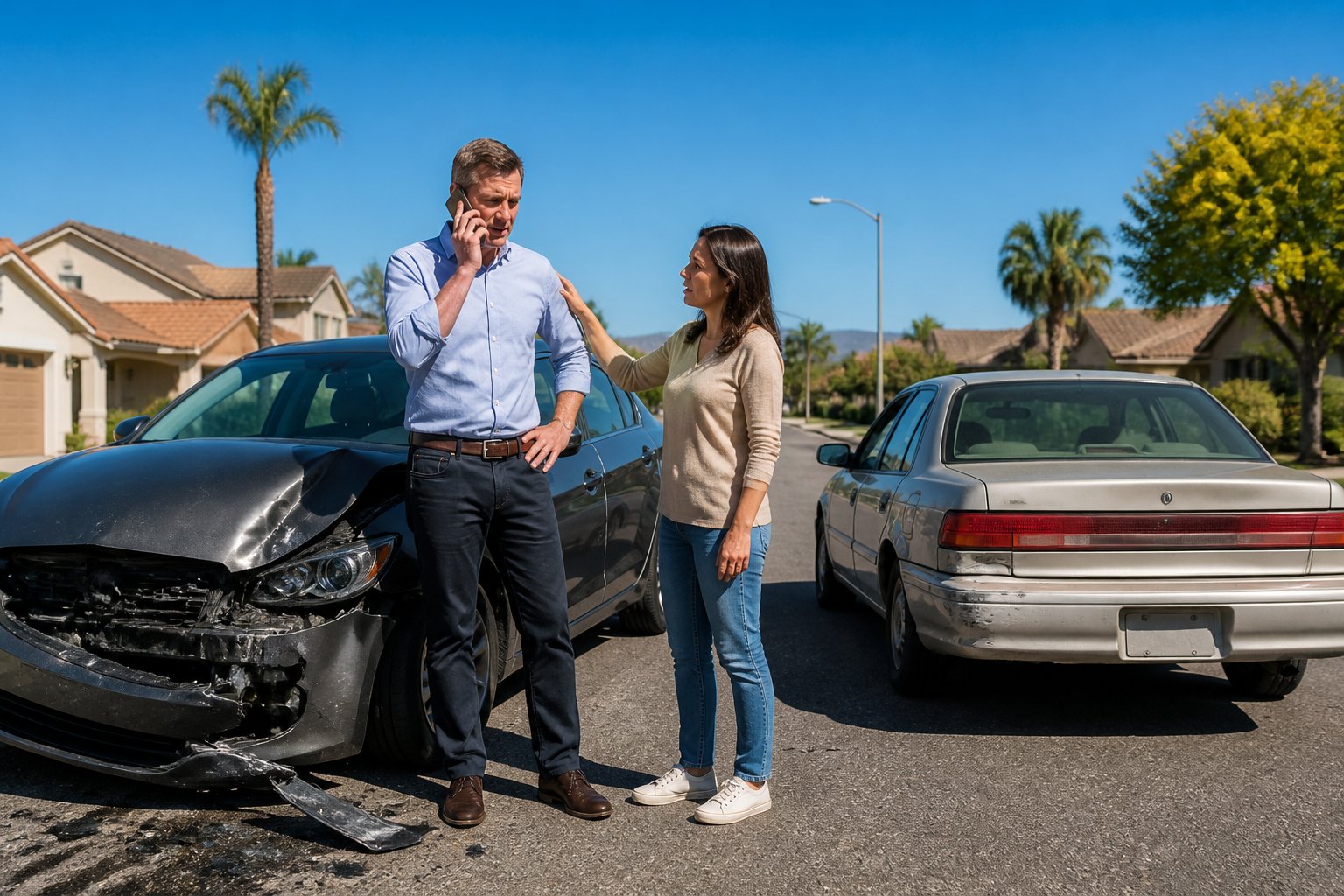
A hit-and-run accident is honestly one of the most disorienting things that can happen on the road. One minute, you’re in a collision—then suddenly, the other driver just vanishes.
You might feel a little lost in those first few minutes, but what you do next can really affect your safety, your insurance claim, and your shot at getting compensated.
The steps you take right after a hit-and-run can seriously impact your ability to recover what you deserve. California law actually gives victims some solid options, even if the other driver is never caught.
Uninsured motorist coverage and a detailed police report can really help support your claim. Making the right moves early keeps your rights protected for later.
In Ventura County, hit-and-run accidents happen everywhere—local streets, the 101 freeway, even parking lots. With all the commuters and tourists, these crashes aren’t rare.
If you know your options from the start, you’ll be in a much better spot.
Key Takeaways
-
Call 911 immediately, document everything at the scene, and see a doctor even if you feel fine.
-
California law may let you recover compensation through your own insurance, even when the other driver is never found.
-
Acting quickly helps preserve evidence and gives you a stronger position with insurers or if you pursue a legal claim.
What To Do In The First Minutes After The Crash
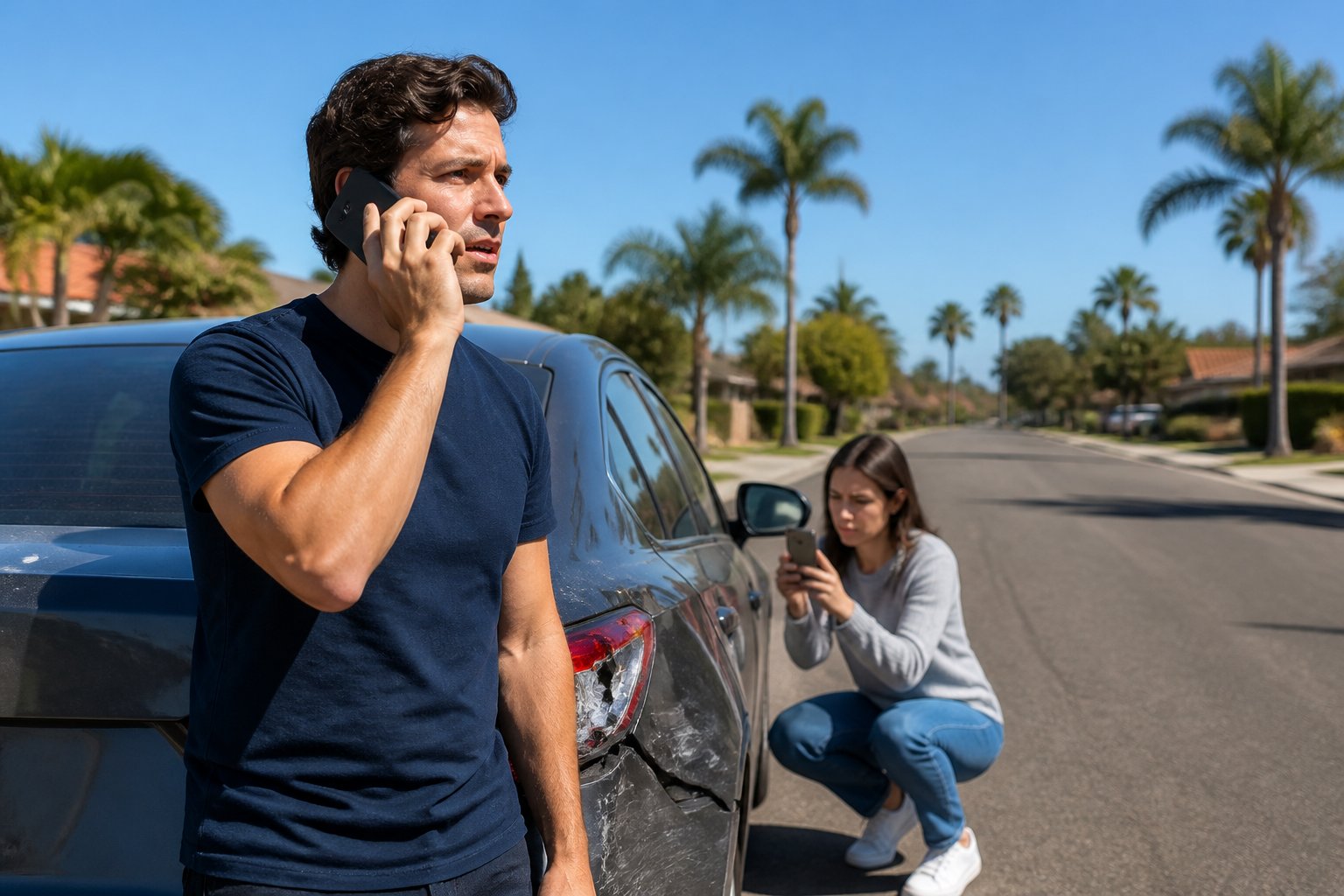
The moments after a hit-and-run are chaotic, no question about it. What you do during this time really matters.
Get yourself to safety, call the police, and start gathering whatever evidence you can. These steps lay the groundwork for your entire claim.

Get To Safety Without Chasing The Other Driver
Focus on moving yourself and any passengers out of traffic if it’s safe. Pull over to the shoulder or a nearby parking lot.
Don’t chase the other driver, even if you spot them fleeing. Chasing after them puts you at risk for another crash and can actually make things trickier legally.
Call 911 And Report The Accident
Call 911 right away, even if the damage looks minor. California law says you have to report a hit-and-run to law enforcement.
Tell the dispatcher where you are, what happened, and share any details about the other vehicle—color, make, model, or even part of the license plate if you caught it. That police report is crucial for your insurance claim or any legal action.
Check For Injuries And Seek Immediate Medical Care
Check for injuries—yourself and anyone else involved—before you do anything else. Some injuries, like concussions or soft tissue damage, might not show up right away.
Even if you feel fine, see a doctor as soon as you can. A medical record created close to the time of the accident is important for your claim.
Document The Scene And Preserve Key Details
Use your phone to take photos of your car, the area, any debris, and nearby street signs. Look around for traffic cameras, business cameras, or even doorbell cameras.
Jot down everything you remember about the other vehicle while it’s still fresh. If there are witnesses, get their names and contact info.
How California Law Treats A Driver Who Flees
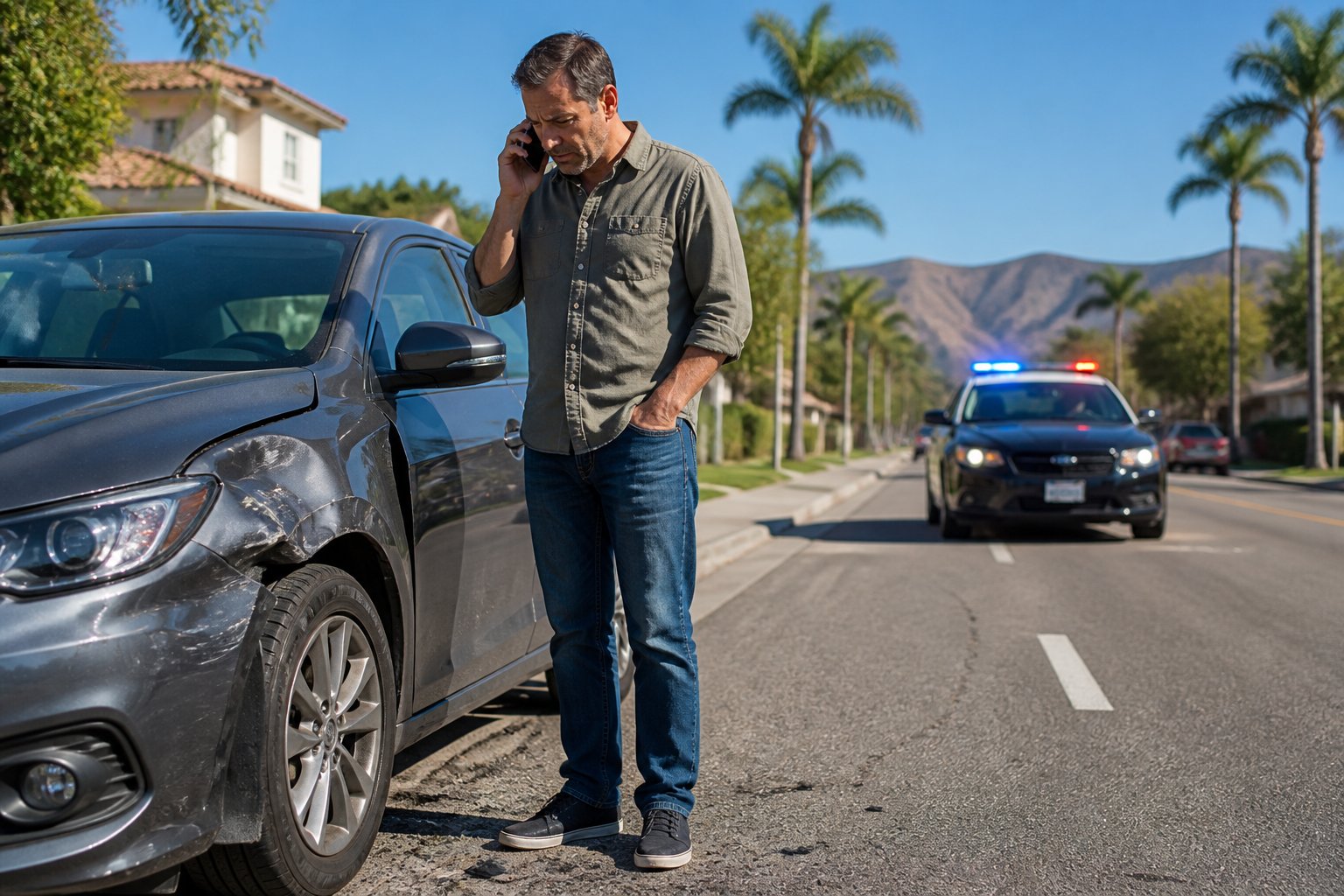
California law makes it a crime for any driver to leave the scene of an accident. The penalties depend on whether someone was hurt and how serious those injuries are.
When Leaving The Scene Becomes A Crime
California law says every driver in a crash must stop, identify themselves, and help if anyone is hurt. Leaving without doing these things is a hit-and-run.
This rule applies whether you hit another moving car, a parked vehicle, or a pedestrian. There’s no exception just because you think you weren’t at fault.
The Difference Between Injury And Property Damage Cases
California treats property-only hit-and-runs differently from those with injuries. If it’s just property damage, it’s usually a misdemeanor.
If someone gets hurt or killed, it can be a felony—with much heavier penalties, including prison. That difference matters for your civil claim, too, since injury cases can mean higher damages.
Why A Police Report Matters In A California Hit And Run
A police report proves law enforcement actually investigated the crash. Your insurance company usually won’t process a hit-and-run claim without it.
It also locks in key details while they’re fresh and can even kick off an investigation that might lead to finding the driver who ran.
Important Reporting Rules Under California Vehicle Code
Sections 20001 and 20002 of the California Vehicle Code spell out what drivers have to do after a crash. Section 20001 covers injury or death, and 20002 covers property damage.
Both require drivers to stop, give their info, and help if needed. Knowing these rules helps you understand what the other driver should have done—and how their failure affects your case.
How Compensation May Be Available Even If The Driver Is Never Found

A lot of people think if the other driver isn’t found, they’re out of luck. That’s not true in California.
Your own insurance policy and the evidence you collect at the scene can still give you a shot at compensation.
Using Uninsured Motorist Coverage After A Hit-And-Run
Uninsured motorist coverage (UM coverage) is meant to protect you when the at-fault driver can’t be held responsible. In a hit-and-run, California law treats the fleeing driver as an uninsured motorist.
If you have UM coverage, you can file a claim with your own insurer for your injuries and losses. California actually encourages drivers to carry this for situations just like this.
When UM Coverage Can Apply To Medical Bills And Other Losses
UM coverage can cover things like medical expenses, lost wages, and pain and suffering. The limits depend on your policy, so it’s worth checking what you’ve got.
In serious injury cases, your UM limits can really make a difference financially.
Building A Personal Injury Claim With Limited Information
Even if you don’t have the other driver’s name or insurance info, you still have options. The evidence you gather at the scene, witness statements, and surveillance video can all back up your story.
Sometimes, a quick investigation can identify the vehicle through traffic cameras or witness descriptions.
Common Insurance Obstacles In A Hit And Run Claim
Insurance companies rarely make this easy. Your own insurer might question what happened, argue about your injuries, or try to settle for less than you deserve.
These tactics are pretty common. Knowing your insurer wants to pay as little as possible helps you stay realistic and reminds you to document everything.
When To Involve A Lawyer And What Legal Help Can Change
Getting a car accident lawyer involved early in a hit-and-run can really change things. Legal help isn’t just for court—it affects how your claim gets investigated and negotiated.
How Early Investigation Can Help Identify The Vehicle
Time is a big deal in hit-and-run cases. Surveillance footage gets erased quickly. Witnesses move on, and memories fade.
A local car accident attorney in Ventura County can move fast to request footage, find traffic cameras, and work with investigators before evidence disappears.
Why Ventura County Victims Often Need Help With Insurers
Insurance companies know when you have legal representation. If you file a claim alone, adjusters may push for a quick, low settlement before you really know your rights or the extent of your injuries.
Ventura County victims who use a lawyer often end up with better outcomes because insurers know the claim won’t just go away.
What A Car Accident Lawyer Or Car Accident Attorney Can Do
A car accident attorney can deal with your insurance company, gather evidence, calculate your damages, and negotiate for a fair result.
If the at-fault driver is found later, your lawyer can go after them in civil court. At Tavakoli & Ivosevic, LLP, they prepare every case as if it’s going to trial, which gives you real leverage during negotiations.
Why Acting Quickly Can Protect Evidence And Leverage
California’s statute of limitations gives most personal injury victims two years from the date of the accident to file a lawsuit.
That might sound like plenty of time, but waiting can hurt your leverage. Evidence disappears, witnesses are harder to find, and insurers get less motivated to negotiate. Starting early keeps your options open and your case strong.
Frequently Asked Questions
What should I do immediately after a hit-and-run accident to stay safe and preserve evidence?
Move your car out of traffic if you can do it safely, then call 911 right away.
While you wait, take photos of the damage, the scene, and anything you remember about the other vehicle. Talk to any witnesses who are around.
When and how should I report a hit-and-run accident to local law enforcement?
Call 911 from the scene and file a police report as soon as possible—ideally the same day.
Give officers as many details as you can about the other vehicle: color, make, model, and any part of the license plate you saw.
What information and evidence should I gather if the other driver leaves the scene?
Write down or snap photos of anything you noticed about the vehicle, including which way it went after the collision.
Look for nearby cameras, get witness contact info, and photograph your car’s damage and the surrounding road.
How do I file an auto insurance claim after a hit-and-run accident, and what documents will I need?
Contact your insurance company quickly and give them your police report number, scene photos, medical records, and any witness info you got.
Your UM coverage might let you file a claim even if the other driver is unknown.
Do I need to exchange insurance information after an accident if the other driver is not present or refuses to stop?
You can’t exchange info with a driver who flees, but you still need to report the accident to police.
Document whatever you can and let your own insurer know—your policy may cover you through uninsured motorist provisions.
What are the deadlines and next steps for medical care, vehicle repairs, and follow-up documentation after a hit-and-run?
You should seek medical attention within 24 to 48 hours, even if you feel fine. Hang onto every record from your appointments and any expenses—trust me, it matters later.
If you’re in California, you’ve got two years from the accident date to file a lawsuit. Still, moving quickly helps you keep evidence fresh and gives you more options down the road.